
How Could a Global Energy Crisis Affect South Africa?
And what does conflict in the Middle East mean for us directly?
South Africa may be far from the Middle East, but we are not insulated from what happens there.
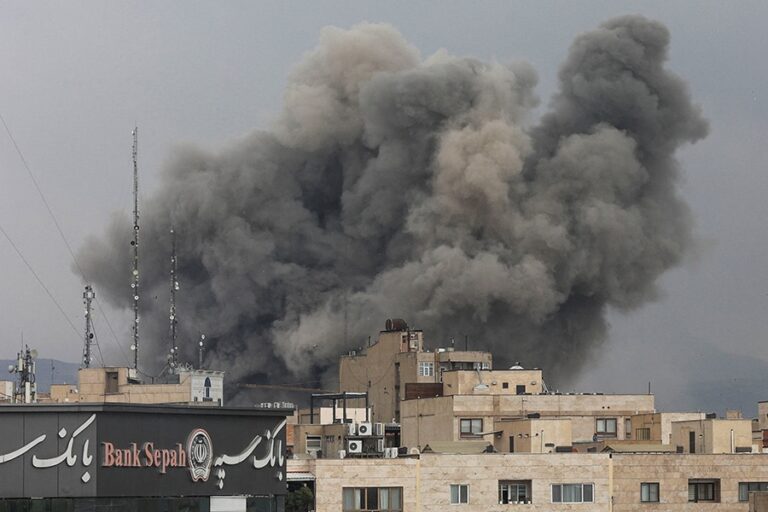
When conflict threatens major energy routes or pushes up oil prices, the effects are felt here through fuel costs, inflation, shipping delays and exchange-rate pressure. South Africa imports both crude oil and finished fuel products, and monthly fuel prices are directly influenced by international oil prices and shipping costs.
Where South Africa feels it first
1. Fuel prices
This is usually the fastest and most visible impact. If oil prices rise or supply routes are disrupted, South Africa pays more for imported fuel. That can feed through into petrol and diesel prices locally.
2. Transport and shipping costs
Red Sea disruption has already forced many vessels to avoid the Suez Canal and reroute around the Cape of Good Hope, adding time, cost and volatility to global trade. UNCTAD says these route shifts have pushed up freight costs and made supply chains more fragile.
3. Inflation pressure
Higher fuel and shipping costs rarely stay isolated. They can raise the cost of transport, imported goods and doing business more broadly. South Africa’s inflation outlook remains sensitive to electricity, food and fuel-related pressures.
“South Africa may be far from the conflict, but not far from the consequences — higher fuel costs, shipping disruption and renewed pressure on the rand.”
4. Pressure on the rand
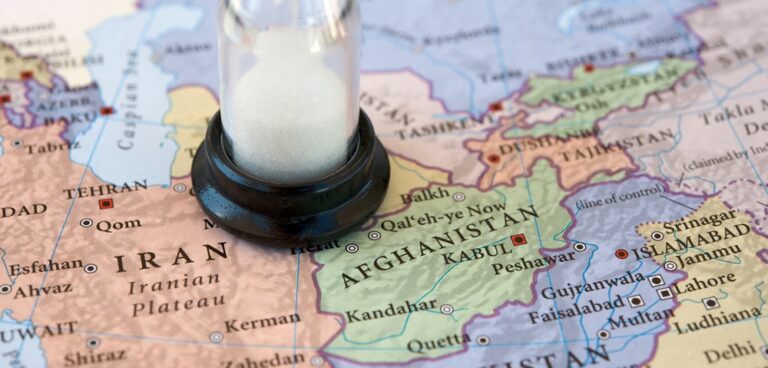
In times of global tension, investors often pull money toward safer assets and away from emerging markets. That can make currencies like the rand more volatile, especially when global markets are nervous. The SARB has noted how inflation and growth remain exposed to global risks, while the IMF flags South Africa’s external position as vulnerable to a wider current-account deficit.
Why the Middle East matters so much
The Middle East is central to global energy security. The IEA warns that any disruption to energy flows through the region, especially around the Strait of Hormuz, has major implications for affordability, energy security and the world economy.
That does not mean South Africa faces an immediate supply crisis tomorrow. But it does mean any escalation can quickly affect the price we pay for fuel and the cost of moving goods.
Is South Africa especially exposed?
Yes, to a degree. South Africa is a net importer of petroleum products, and the DMRE says the country imports both crude oil and finished fuels at international prices. Its 2024 Energy Trade Report says South Africa imported 10.8 billion litres of diesel in 2024, equal to 66% of diesel supply, while official DMRE material also notes refinery constraints and import dependence.
That makes us vulnerable when global energy markets become unstable.
The bigger takeaway
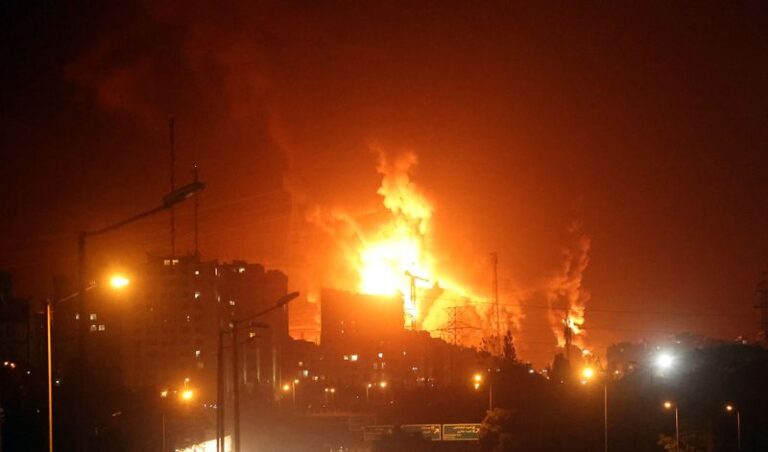
For South Africa, a Middle East conflict is unlikely to be felt first on the battlefield. It is more likely to show up at the pump, in shipping invoices, in inflation, and in a more jumpy rand.
That is why businesses with foreign suppliers, import exposure or offshore obligations need to stay alert. In volatile markets, timing and planning matter.
Need help navigating the volatility?
At Currency Assist, we help clients make sense of fast-moving markets and manage cross-border payments with greater clarity and confidence.
Speak to our team about your upcoming transfer, trade payment or FX exposure.
Related Posts

What Moves the Rand? Why commodity prices, global sentiment and investor confidence all matter
The rand has a reputation for moving fast — and often without warning. But there are usually a few clear forces behind those swings.

Making International Transfers Simple and Stress-Free
The rules, allowances, and approvals you need to move funds abroad — simplified.

How to Transfer Your South African Inheritance Abroad
Receiving an inheritance in South Africa but living overseas? Here’s how to get it safely to you.